Black pepper
Serving: 2.00 tsp (5.8g, 15 cal)
Key Nutrients
About Black pepper
Health benefits
Digestion and intestinal health
Black pepper (Piper nigrum) stimulates taste receptors that signal the stomach to increase hydrochloric acid secretion. This acid is required for protein digestion. When production is insufficient, food lingers in the stomach, causing heartburn or indigestion, or passes undigested into the intestines where it feeds gas-producing bacteria.
Black pepper is a carminative (reduces intestinal gas formation), likely because of this effect on gastric acid. It also has diaphoretic (sweat-promoting) and diuretic (urine-promoting) properties.
Piperine, the alkaloid responsible for black pepper’s pungency, has shown antioxidant and antibacterial activity in laboratory studies. The outer layer of the peppercorn contains compounds that stimulate lipase activity, supporting the breakdown of dietary fat.
Description
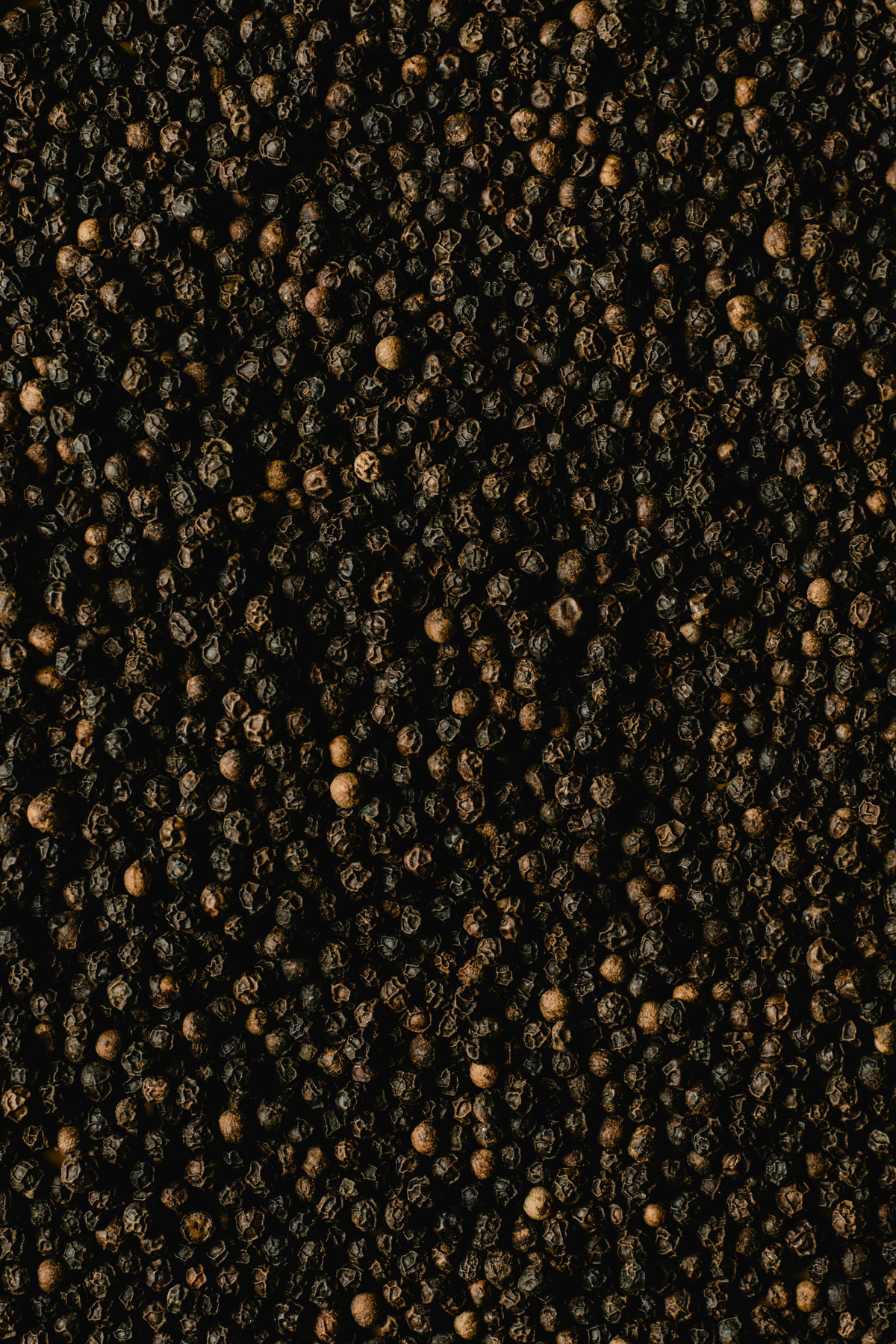
Black pepper comes from the berries of the pepper plant. Black, green, and white peppercorns are the same fruit (Piper nigrum); the color differences reflect varying stages of harvest and processing.
Black peppercorns are picked when the berries are half ripe and about to turn red, then dried until they shrivel and darken. Green peppercorns are picked while still unripe and green. White peppercorns are picked fully ripe and soaked in brine to remove the dark outer shell, leaving only the inner seed.
Pink peppercorns come from an entirely different species (Schinus molle), related to ragweed.
Black pepper is the most pungent of all pepper types. It is available as whole or cracked peppercorns or ground into powder.
History
Native to India, pepper has been a prized spice since antiquity. In ancient Greece, it served as currency and sacred offering alongside its culinary use. Pepper paid taxes and ransoms. During the fall of Rome, invading barbarians received it as tribute. In the Middle Ages, a person’s wealth was sometimes measured by their pepper stockpile.
Pepper’s culinary value drove this prestige: its pungency could enliven bland food and mask staleness, a critical function before modern preservation methods existed.
The pepper trade catalyzed the broader spice trade, spurring exploration of new lands and the development of merchant cities across Europe and the Middle East.
India and Indonesia remain the leading commercial producers today.
How to select and store
Black pepper is available whole, crushed, or ground. For optimal flavor, buy whole peppercorns and grind them in a mill just before use. Whole peppercorns also reduce the risk of adulteration, since ground pepper is sometimes blended with other spices. Look for peppercorns that are heavy, compact, and blemish-free.
Local spice shops often carry fresher, higher-quality peppercorns than supermarkets. Selecting organically grown pepper reduces the likelihood of irradiation, which can decrease vitamin C content.
Store in a tightly sealed glass container in a cool, dark, dry place. Whole peppercorns keep almost indefinitely; ground pepper stays fresh for about three months. Freezing is an option, though it intensifies the flavor.
Tips for preparing and cooking
Tips for cooking with black pepper
Grind pepper fresh in a mill and add it near the end of cooking. Prolonged heat degrades piperine and the volatile oils that give black pepper its aroma.
How to enjoy
Serving ideas
- Coat steaks with crushed peppercorns before cooking to create steak au poivre.
- Black pepper’s pungency complements the deep, berry-like flavor of venison in steaks or stews.
- Keep a pepper mill on the dining table for finishing dishes.
- Olive oil, lemon juice, salt, and cracked pepper make a simple salad dressing.
For some of our favorite recipes, click Recipes.
Nutritional profile
Two teaspoons (5.8g) of black pepper provide 32% DV of manganese, 11% DV of vitamin K, 9% DV of copper, and 5% DV of dietary fiber, along with smaller amounts of iron (3% DV), chromium (3% DV), and calcium (3% DV).
Individual concerns
Black pepper is not a commonly allergenic food and is not known to contain measurable amounts of oxalates or purines.
Freshly ground spices release far more aroma than pre-ground. A heavy granite ChefSofi Granite Mortar and Pestle crushes whole spices quickly and lasts forever.
Recipes with Black pepper
Full Nutrient Profile
Related Articles
- Can you tell me more about green tea?
- What does it mean when a food is referred to as a "nightshade" and should I be concerned about eating these types of foods?
- What is the best way to eat healthy during winter?
- Which foods are classified as "nightshades," and why are adverse reactions sometimes associated with these foods?
References
- Abila B, Richens A, Davies JA. Anticonvulsant effects of extracts of the west African black pepper, Piper guineense. J Ethnopharmacol 1993 Jun;39(2):113-7. 1993. PMID:16400.
- Ao P, Hu S, Zhao A. [Essential oil analysis and trace element study of the roots of Piper nigrum L.]. Zhongguo Zhong Yao Za Zhi 1998 Jan;23(1):42-3, 63. 1998. PMID:16370.
- Calucci L, Pinzino C, Zandomeneghi M et al. Effects of gamma-irradiation on the free radical and antioxidant contents in nine aromatic herbs and spices. J Agric Food Chem 2003 Feb 12; 51(4):927-34. 2003. https://doi.org/10.5142/jgr.2012.36.3.308
- Dorman HJ, Deans SG. Antimicrobial agents from plants: antibacterial activity of plant volatile oils. J Appl Microbiol 2000 Feb;88(2):308-16. 2000. PMID:16390.
- Ensminger AH, Ensminger, ME, Kondale JE, Robson JRK. Foods & Nutriton Encyclopedia. Pegus Press, Clovis, California. 1983.
- Ensminger AH, Esminger M. K. J. e. al. Food for Health: A Nutrition Encyclopedia. Clovis, California: Pegus Press; 1986. 1986. PMID:15210.
- Fortin, Francois, Editorial Director. The Visual Foods Encyclopedia. Macmillan, New York. 1996.
- Grieve M. A Modern Herbal. Dover Publications, New York. 1971.
- Mujumdar AM, Dhuley JN, Deshmukh VK, et al. Anti-inflammatory activity of piperine. Jpn J Med Sci Biol 1990 Jun;43(3):95-100. 1990. PMID:16380. https://doi.org/10.1016/0042-6822(77)90477-9
- Murray MT. The Healing Power of Foods. Prima Publishing, Rocklin, CA, 1993, pp. 211-212. 1993. https://doi.org/10.1089/act.1999.5.238
- Wood, Rebecca. The Whole Foods Encyclopedia. New York, NY: Prentice-Hall Press; 1988. 1988. PMID:15220. https://doi.org/10.1002/food.19770210206