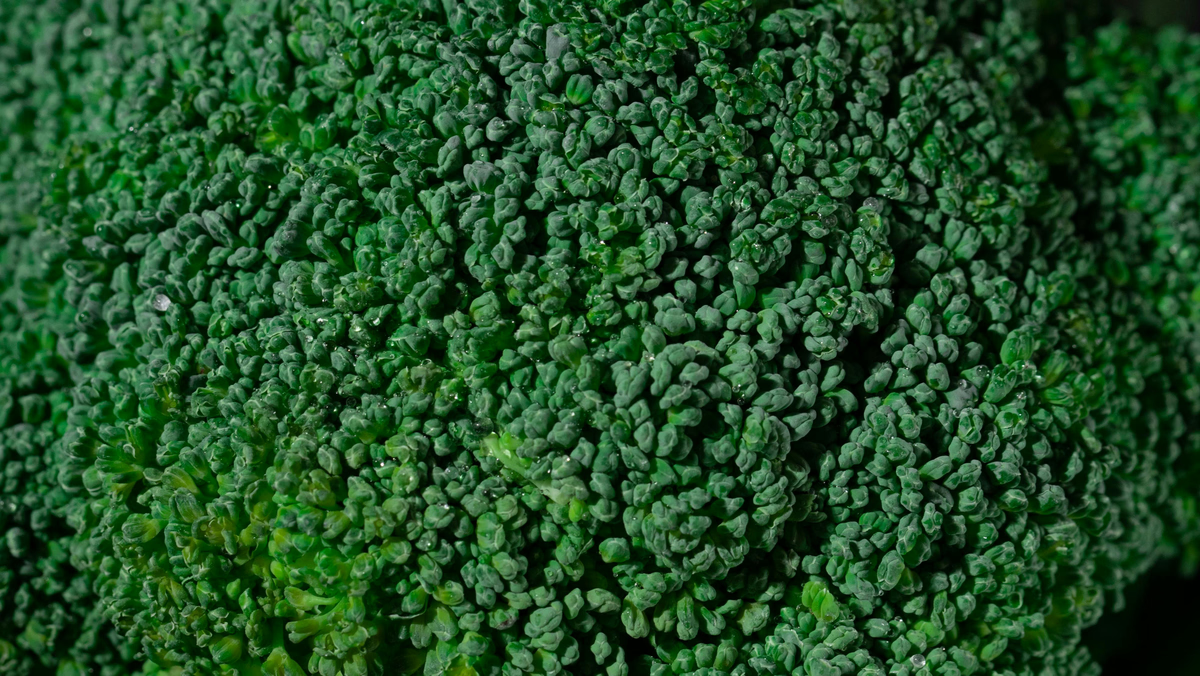
Broccoli
Serving: 1.00 cup (156g, 55 cal)
Key Nutrients
| Nutrient | Amount | DV% | Rating |
|---|---|---|---|
| vitamin K | 220.12 mcg | 245% | Excellent |
| vitamin C | 101.24 mg | 135% | Excellent |
| chromium | 18.55 mcg | 53% | Excellent |
| folate | 168.48 mcg | 42% | Excellent |
| pantothenic acid | 0.96 mg | 19% | Very Good |
| fiber | 5.15 g | 18% | Very Good |
| vitamin B6 | 0.31 mg | 18% | Very Good |
| vitamin E | 2.26 mg (ATE) | 15% | Very Good |
| phosphorus | 104.52 mg | 15% | Very Good |
| choline | 62.56 mg | 15% | Very Good |
| vitamin B2 | 0.19 mg | 15% | Very Good |
| vitamin A | 120.74 mcg RAE | 13% | Very Good |
| manganese | 0.3 mg | 13% | Very Good |
| copper | 0.1 mg | 11% | Very Good |
| potassium | 457.08 mg | 10% | Good |
| vitamin B1 | 0.1 mg | 8% | Good |
| omega-3 fats | 0.19 g | 8% | Good |
| magnesium | 32.76 mg | 8% | Good |
| protein | 3.71 g | 7% | Good |
| zinc | 0.7 mg | 6% | Good |
| calcium | 62.4 mg | 6% | Good |
| iron | 1.05 mg | 6% | Good |
| vitamin B3 | 0.86 mg | 5% | Good |
| selenium | 2.5 mcg | 5% | Good |
| tryptophan | 0.03 g | 9.4% | Very Good |
| molybdenum | 4.55 mcg | 6.1% | Very Good |
| vitamin B5 | 0.52 mg | 5.2% | Good |
vitamin K
Excellentvitamin C
Excellentchromium
Excellentfolate
Excellentpantothenic acid
Very Goodfiber
Very Goodvitamin B6
Very Goodvitamin E
Very Goodphosphorus
Very Goodcholine
Very Goodvitamin B2
Very Goodvitamin A
Very Goodmanganese
Very Goodcopper
Very Goodpotassium
Goodvitamin B1
Goodomega-3 fats
Goodmagnesium
Goodprotein
Goodzinc
Goodcalcium
Goodiron
Goodvitamin B3
Goodselenium
Goodtryptophan
Very Goodmolybdenum
Very Goodvitamin B5
GoodAbout Broccoli
What’s new and beneficial about broccoli
- Steaming broccoli preserves more vitamin C and sulforaphane than boiling. Steamed florets also hold firmer texture and deeper green color when kept to 5 minutes or less, compared with 15-20 minutes of cooking.
- Small differences in steaming duration produce measurable nutrient changes. Broccoli steamed for 1 minute retains more glucosinolates than broccoli steamed for 2. A 3-minute cook differs from a 5-minute cook. Four minutes is the recommended target for florets and leaves.
- In one study, smokers averaging 10+ cigarettes per day ate 1.66 cups of steamed broccoli daily for 10 days. Their blood levels of C-reactive protein (CRP), a marker of systemic inflammation, dropped. Blood concentrations of lutein and folate rose simultaneously. The 1.66-cup daily intake in this study sits close to the 1.5-cup threshold considered an outstanding level for cruciferous vegetable consumption.
- A study on organically grown broccoli found that deeper green florets contained more total carotenoids. This seems counterintuitive; carotenoids are yellow-orange pigments, not green. Still, the correlation suggests a practical selection tip: when choosing broccoli for carotenoid content, reach for the darkest green florets.
Recommendations
Overcooking turns broccoli soft and mushy, degrading both flavor and nutrient content. Cut florets into quarters and let them sit for several minutes before cooking; this pause allows myrosinase enzyme activity to convert glucoraphanin into sulforaphane. Steam for 4 minutes. See the Nutrient-Rich Way of Cooking Broccoli below.
A minimum daily target for cruciferous vegetables is 3/4 cup (approximately 5 cups per week). A more favorable intake level is 1-1/2 cups per day, or about 10 cups per week.
Broccoli, chopped, cooked
1.00 cup
(156.00 grams)
Calories: 55
GI: very low
NutrientDRI/DV
vitamin K245%
vitamin C135%
chromium53%
folate42%
pantothenic acid19%
fiber18%
vitamin B618%
vitamin E15%
phosphorus15%
choline15%
vitamin B215%
manganese13%
vitamin A13%
copper11%
potassium10%
magnesium8%
vitamin B18%
omega-3 fats8%
protein7%
zinc6%
iron6%
calcium6%
selenium5%
vitamin B35%
- Health Benefits
- Description
- History
- How to Select and Store
- Tips for Preparing and Cooking
- How to Enjoy
- Individual Concerns
- Nutritional Profile
- References
Health benefits
More than 300 research studies on broccoli converge on one area: the relationship between cancer development and three metabolic problems. Those problems are (1) chronic inflammation, (2) oxidative stress, and (3) inadequate detoxification. Cancer risk in several organ systems tracks with the combination of all three.
The cancer/inflammation/oxidative stress/detox connection
A growing body of evidence links cancer risk to environmental, dietary, and metabolic factors. Understanding how these factors interact clarifies why broccoli’s specific nutrient profile is relevant to cancer research.
Anti-inflammatory benefits
When cells encounter reactive oxygen species or toxic compounds, the transcription factor NF-kappaB activates, amplifying production of pro-inflammatory mediators including IL-6, IL-1beta, TNF-alpha, iNOS, and COX-2. In acute injury, this response is protective. When it persists chronically, it elevates risk for multiple diseases, including cancer.
Isothiocyanates (ITCs)
Isothiocyanates (ITCs), formed when glucosinolates in broccoli and other cruciferous vegetables are hydrolyzed by myrosinase, suppress NF-kappaB signaling by inhibiting its nuclear translocation. This anti-inflammatory effect is well established in cell culture and animal models, though translating those findings into precise dietary recommendations remains challenging.
Sulforaphane is broccoli’s primary anti-inflammatory ITC, derived directly from glucoraphanin. It inactivates the NF-kappaB pathway along with several other pro-inflammatory cascades. Sulforaphane predominates in heading varieties of broccoli. In non-heading types (sprouting broccoli, broccoli raab, rapini), iberin, derived from glucoiberin, is the most abundant ITC instead. Both heading and non-heading varieties contain glucobrassicin, whose corresponding ITC is indole-3-carbinol.
Omega-3 fatty acids
Omega-3 fatty acids serve as precursors to anti-inflammatory eicosanoids including PGH3, TXA3, PGI3, and LTE5. Low-fat vegetables are rarely considered omega-3 sources, but 100 calories of broccoli (about 2 cups) supplies approximately 400 mg of alpha-linolenic acid (ALA), comparable to one soft-gel capsule of flax oil. Broccoli cannot cover total omega-3 needs on its own. The ALA it provides, however, contributes to the pool of precursors available for anti-inflammatory eicosanoid synthesis.
Kaempferol and allergy-mediated inflammation
Broccoli contains the flavonol kaempferol in notable concentrations. In the digestive tract, kaempferol reduces IgE antibody production, dampening allergy-mediated immune responses. By blunting this allergy pathway, kaempferol intake from broccoli may help lower the risk of chronic, low-grade inflammation.
Antioxidant compounds
Broccoli delivers antioxidant compounds across three categories: vitamins, minerals, and phytonutrients. One cup (156g) steamed provides 135% DV of vitamin C, 15% DV of vitamin E, and 13% DV of vitamin A (as beta-carotene). It also supplies chromium (53% DV), manganese (13% DV), selenium (5% DV), and zinc (6% DV). The phytonutrient fraction is where broccoli’s antioxidant profile becomes distinctive. It concentrates the flavonoids kaempferol and quercetin alongside the carotenoids lutein, zeaxanthin, and beta-carotene. Consuming 2-3 cups daily has been shown to raise blood levels of both lutein and beta-carotene measurably.
Broccoli sprouts, though less common in the U.S. than mung bean, alfalfa, or pea sprouts, contain higher concentrations of glucosinolates and antioxidant compounds per gram than mature broccoli heads. Their glucosinolate density has drawn particular research attention.
Detoxification support
Cellular detoxification follows a two-phase process. Phase 2 is the conjugation step, where activated toxic substances are bound to glutathione, glucuronic acid, or sulfate groups for excretion. ITCs from broccoli’s glucosinolates activate Phase 2 enzymes, including glutathione S-transferase, through the Nrf2 signaling pathway. Nrf2 translocates to the nucleus and upregulates a battery of cytoprotective genes. This activation occurs at commonly consumed amounts of broccoli in the 1-2 cups per day range.
Cancer risk reduction
Broccoli acts on all three metabolic problems linked to cancer development: oxidative stress, chronic inflammation, and impaired detoxification. Epidemiological data show the strongest associations between broccoli intake and decreased risk of prostate, colon, breast, bladder, and ovarian cancers. Evidence for additional cancer types may emerge as research accumulates.
How much broccoli for cancer risk reduction?
An average of 1/2 cup of broccoli per day (22 calories) appears sufficient for measurable benefits in cancer risk studies. A 2-cup serving twice weekly meets that average, contributing only about 178 calories, roughly 1% of a 14,000-calorie week.
Higher intakes show additional effects. One study found that 250g (approximately 1.6 cups) of broccoli daily increased urinary excretion of potential carcinogens from well-done grilled meats. Another used 3 cups daily and documented higher blood levels of beta-carotene and lutein (132 calories, about 6-7% of a 2,000-calorie diet). The minimum recommended intake for all cruciferous vegetables combined is 3/4 cup per day; 1.5 cups per day is considered an outstanding level.
Treat broccoli as a main vegetable course, not as garnish. Recipes like Asian-Flavored Broccoli with Tofu use 1 pound for two servings, or about 1.5 cups each. Servings of 2-3 cups are reasonable for those aiming to maximize the cancer-related benefits described above. A single floret on the side of a plate does not supply enough glucosinolates to be meaningful.
Digestive support
Broccoli’s digestive benefits come from two sources: dietary fiber and ITCs. The fiber density is roughly 1 gram per 10 calories. That means 100 calories of broccoli (5% of a 2,000-calorie diet) delivers about 10 grams of fiber, covering 40% of the Daily Value. At 250 calories, broccoli alone meets the full daily fiber requirement. Fiber regulates intestinal transit time, stool consistency, and the composition of gut bacterial populations.
Broccoli’s glucosinolate-derived ITCs, particularly sulforaphane, help protect the gastric lining by inhibiting overgrowth of Helicobacter pylori and reducing its adhesion to stomach wall cells. Broccoli sprouts show especially potent activity against H. pylori colonization in both mouse and small human studies.
Cardiovascular support
One randomized controlled trial showed a 2.5% drop in LDL-cholesterol after just 1/3 cup of broccoli daily for 3 months. That is below the 3/4-cup minimum recommended for cruciferous vegetables. Both raw and steamed broccoli show LDL-lowering associations, though the effect is stronger with steamed preparations.
The clinical relevance of LDL reduction is itself under active debate. One large observational study found that individuals with higher LDL-cholesterol levels did not have shorter lifespans than those with average or low levels. The 2015-2020 Dietary Guidelines for Americans removed the previous 300 mg/day cap on dietary cholesterol, reflecting evolving views on blood cholesterol’s role in cardiovascular disease.
Broccoli’s cardiovascular benefits remain well-supported, but the mechanistic emphasis is shifting from cholesterol management toward inflammation control and reduced oxidative stress in vascular endothelium. Sulforaphane and kaempferol both modulate cell signaling pathways relevant to endothelial function, an area of active investigation.
Broccoli’s B-complex vitamins also matter for cardiovascular health. Elevated homocysteine, a risk factor for atherosclerosis, stroke, and heart attack, depends on adequate folate, B6, and B12 for clearance via the methionine cycle. One cup of steamed broccoli provides 42% DV of folate and 18% DV of B6. As noted earlier, daily intake of 1.66 cups over 10 days raised blood folate levels in a small study of cigarette smokers.
Other health benefits
Three additional areas of benefit connect to broccoli’s nutrient profile. The first is eye health. Lutein concentrates in the peripheral retina more densely than in any other tissue in the body. Zeaxanthin accumulates in the macula at the center of the retina. Dietary intake of these two carotenoids, both present in broccoli (1,685 mcg lutein+zeaxanthin per cup steamed), is associated with reduced risk of macular degeneration and cataracts.
Second is type 2 diabetes risk. Large-scale human trials remain limited, but the metabolic effects of broccoli’s glucosinolates, including Nrf2 activation and reduced oxidative stress, overlap with pathways implicated in insulin resistance and beta-cell dysfunction.
Third, broccoli may support vitamin D metabolism indirectly. Broccoli contains no vitamin D, but one cup steamed delivers 245% DV of vitamin K and 13% DV of vitamin A (as beta-carotene). For individuals supplementing with high-dose vitamin D to correct deficiency, adequate vitamin K and A intake appears to help maintain balanced calcium metabolism and prevent complications. Broccoli’s high concentrations of both vitamins make it well-suited to this supporting role.
Recent research
A 2023 review published in Antibiotics examined broccoli’s antimicrobial properties alongside its antioxidant and anti-inflammatory activity, consolidating evidence across broccoli’s full spectrum of bioactive constituents. The review identifies glucosinolates and their hydrolysis products, including sulforaphane and indole-3-carbinol, as central to each of these effects. Antimicrobial activity against both gram-positive and gram-negative pathogens was documented, a dimension of broccoli research that had received less systematic treatment in earlier literature focused primarily on cancer risk. The mechanistic basis overlaps substantially with anti-inflammatory pathways: sulforaphane disrupts bacterial membrane integrity while simultaneously suppressing host inflammatory signaling, suggesting the two activities are not independent. This convergence is scientifically useful because it positions broccoli’s phytochemical profile as relevant to conditions where microbial burden and inflammatory response interact, such as gastric H. pylori infection and diet-related gut dysbiosis.
A 2024 review in Critical Reviews in Food Science and Nutrition focused on broccoli sprouts as functional foods, with particular attention to sulforaphane’s immunomodulatory activities. Sulforaphane, derived from glucoraphanin via myrosinase hydrolysis, regulates T-cell differentiation and attenuates production of pro-inflammatory cytokines including IL-6, IL-1beta, and TNF-alpha. The review also documents sulforaphane’s capacity to shift macrophage polarization away from the pro-inflammatory M1 phenotype. One practically significant finding concerns biological elicitors: treating broccoli sprouts with UV light or methyl jasmonate during the sprouting period can increase glucosinolate content by 2 to 4 times relative to untreated controls. This matters because glucosinolate concentration in sprouts is highly variable and partially controllable during production, which has implications for anyone relying on sprouts as a consistent sulforaphane source.
Emerging research is examining sulforaphane’s role in glycemic regulation. Nrf2, the transcription factor activated by sulforaphane, coordinates not only antioxidant gene expression but also pathways implicated in insulin sensitivity. Sulforaphane’s activation of Nrf2 suppresses oxidative stress in pancreatic beta cells and skeletal muscle, two tissue types central to glucose homeostasis. Animal and in vitro data indicate that this Nrf2-mediated effect can reduce markers of insulin resistance. Large-scale human intervention trials are limited, so causal claims remain premature. The existing evidence is mechanistically coherent, however, and connects directly to the broader understanding of how chronic oxidative stress contributes to type 2 diabetes pathology.
Description
Broccoli belongs to the family Brassicaceae (formerly Cruciferae), which also includes bok choy, Brussels sprouts, cabbage, cauliflower, collards, kale, mustard greens, and turnip greens. This family is sometimes called the mustard family or cabbage family. Broccoli and cauliflower are close relatives within the genus and are often grouped together in global trade statistics.
In the U.S., heading varieties dominate. “Heading” refers to the clustering of the flowering portion into one compact structure. The components of the head are called florets because they are, literally, immature flowers. Left on the stalk, green florets eventually open into yellow blossoms.
Not all broccoli forms heads. Some varieties develop florets throughout the plant at shoot tips. These non-heading types go by several names: rapini, broccoli raab, broccoli rabe, and sprouting broccoli.
All varieties fall within the Brassica genus. Heading types typically belong to the species B. oleracea, while non-heading types usually belong to B. rapa. Dozens of cultivars exist across both species.
Colors range from deep sage to dark green to purplish green. Popular U.S. varieties include Calabrese and De Cicco, names that reflect broccoli’s Italian cultivation history.
History
The Brassicaceae family grows on virtually all continents, with particular diversity in the Mediterranean, central and western Asia, and western North America. Broccoli descends from wild cabbage (Brassica oleracea var. oleracea), shaped over centuries of selective cultivation in Italy and elsewhere in Europe before reaching North America.
About 90% of U.S. commercial broccoli production takes place in California, where approximately 115,000 acres yield 1.8 billion pounds annually. Arizona is the second-largest domestic producer. Mexico supplies the majority of U.S. imports. Per capita consumption averages 6.75 pounds per year, a figure that has risen steadily over recent decades.
How to select and store
Choose floret clusters that are compact, unbruised, and uniformly colored (dark green, sage, or purple-green depending on variety) with no yellowing. Yellow flowers blossoming through indicate over-maturity. Stalks and stems should be firm with no slimy spots. Attached leaves should look fresh and unwilted.
Certified organic broccoli reduces exposure to pesticide residues and heavy metals. Local growers may farm organically without formal USDA or state certification (states offering state-certified organic programs include California, New York, Oregon, Vermont, and Washington). In large supermarkets, the USDA organic logo is the most reliable indicator.
To store, place broccoli in a plastic bag, removing as much of the air from the bag as possible. Store in the refrigerator where it will keep for 7 days. Do not wash broccoli before storing because exposure to water encourages spoilage. Partial heads of broccoli should be placed in a well-sealed container or plastic bag and refrigerated.
Refrigeration slows nutrient degradation. Four factors drive nutrient loss during storage: air exposure, light exposure, heat, and time. Vitamin C, vitamin B6, and carotenoids are particularly heat-sensitive, so keeping broccoli cold preserves these compounds more effectively.
Since some nutrients (for example, vitamin C) can be lost once broccoli has been cut, it is best to use cut broccoli within a couple of days.
Blanched and frozen broccoli keeps for up to a year. Leftover cooked broccoli should be placed in a tightly covered container and refrigerated, where it will keep for a few days.
Tips for preparing and cooking
Preparation
Rinse broccoli under cold running water. Cut florets into quarters for quick, even cooking. Peel the stem and cut it into 1/2-inch slices; stems and leaves provide a good balance of flavors alongside the florets. After cutting, let broccoli sit for several minutes before cooking to allow myrosinase to generate sulforaphane from glucoraphanin.
Cooking for nutrient retention
Different cooking methods preserve different nutrients in broccoli. One study found 5 minutes of boiling retained the most kaempferol and quercetin, and also performed well for lutein and beta-carotene. Another study showed microwaving outperformed steaming for vitamin C and chlorophyll retention, while pressure cooking preserved more vitamin C than any other method tested.
For glucosinolate retention, steaming outperforms boiling. Shorter steaming times preserve more: one study found a meaningful difference between 1 minute and 2 minutes of steaming. Total antioxidant capacity, measured by FRAP (ferric reducing antioxidant potential), peaked at 5-10 minutes of steaming. This antioxidant response tracks closely with total phenol content.
No single cooking method wins across all nutrients. Quick Steaming is recommended because it offers the best overall trade-off between flavor, texture, and nutrient preservation. Short steaming effectively maintains total antioxidant capacity and phenol content. Boiling retains more quercetin and kaempferol; pressure cooking preserves more vitamin C. But a preparation method that tastes good means broccoli gets eaten more often. That frequency itself is a nutritional advantage.
The fibrous stems take longer to cook than florets, so start them separately. Lengthwise slits in stems speed cooking. The leaves are edible and contain concentrated levels of calcium and beta-carotene, though most people discard them.
Fill the bottom of a steamer pot with 2 inches of water. While waiting for the water to come to a rapid boil prepare broccoli florets and stems. Steam stems for 2 minutes before adding the florets and leaves. Steam for 4 more minutes. Toss with Mediterranean Dressing and top with optional ingredients of choice. For details see, 4-Minute Broccoli with Feta Cheese and Kalamata Olives.
Stir-frying
High-heat stir-frying risks oxidative damage to cooking oil, but one study found that broccoli itself retained two-thirds or more of its vitamins, minerals, phenols, and glucosinolates after 3.5 minutes at 248-284 degrees F (120-140 degrees C). The study did not assess nutrient damage in the oil. For those who stir-fry broccoli, keeping the skillet around 250 degrees F (121 degrees C) and limiting cook time to 3 minutes or less is advisable.
Raw broccoli and sprouts
Both cooked and raw broccoli contribute to a well-rounded diet. Raw broccoli offers particular advantages for the digestive tract (discussed below). Slicing raw broccoli a few minutes before eating, or chewing it thoroughly, activates myrosinase, which converts glucosinolates to their bioactive ITC forms. Broccoli sprouts contain higher concentrations of both vitamin C and glucosinolates per gram than mature florets. Thorough chewing of any raw broccoli maximizes both myrosinase activation and flavor release.
Gastric health benefits of raw broccoli
Raw broccoli and raw broccoli sprouts show particular promise for gastric health. Helicobacter pylori overgrowth and excessive adhesion to the stomach lining are linked to gastritis and ulcer formation. Raw sprouts appear more effective than cooked broccoli at inhibiting H. pylori, likely because heat partially inactivates myrosinase, reducing ITC yield. Several studies used “HG broccoli” (high-glucoraphanin broccoli), a research cultivar bred for elevated glucoraphanin content, to study gene expression in gastric mucosal cells. HG broccoli is not commercially available, but standard broccoli still provides glucoraphanin along with other glucosinolates.
How to enjoy
Serving ideas
- Toss pasta with olive oil, pine nuts and steamed broccoli florets. Add salt and pepper to taste.
- Purée cooked broccoli and cauliflower, then combine with seasonings of your choice to make a simple, yet delicious, soup.
- Add broccoli florets and chopped stalks to omelets.
Recipes that feature broccoli
- Asian-Flavored Broccoli with Tofu
- Miso Stir-Fry
- Sweet N’ Sour Cod with Cabbage and Broccoli
Individual concerns
Goitrogens
Broccoli contains goitrogens, compounds that can interfere with thyroid hormone synthesis by inhibiting iodine uptake. Cooking reduces goitrogen activity. For individuals with normal thyroid function and adequate iodine intake, typical broccoli consumption is unlikely to cause thyroid problems. For more detail, see the article What is meant by the term “goitrogen” and what is the connection between goitrogens, food, and health?.
Nutritional profile
One cup (156g) of steamed broccoli at 55 calories provides 245% DV of vitamin K, 135% DV of vitamin C, 53% DV of chromium, and 42% DV of folate. It also supplies dietary fiber (18% DV), pantothenic acid (19% DV), vitamin B6 (18% DV), vitamin E (15% DV), manganese (13% DV), phosphorus (15% DV), choline (15% DV), vitamin B2 (15% DV), vitamin A as carotenoids (13% DV), and copper (11% DV). Potassium, magnesium, omega-3 fatty acids (as ALA), protein, zinc, calcium, iron, niacin, and selenium are present in lower but still meaningful amounts.
Beyond vitamins and minerals, broccoli concentrates glucosinolates at levels higher than most other common vegetables. The ITCs derived from these glucosinolates, especially sulforaphane from glucoraphanin, are central to the cancer-related research described above.
A sharp, heavy chef's knife makes quick work of dense vegetables. The Wüsthof Classic 8" Chef's Knife is forged from a single piece of steel and holds its edge.
Recipes with Broccoli
Full Nutrient Profile
Related Articles
- Adapting a Meal Plan for Little or No Grains
- Are bitter vegetables better for you?
- Are there health risks with char-broiling and gas grilling foods?
- Can Preparation Methods Impact the Benefits of Cruciferous Vegetables?
- Can you tell me more about chlorophyll, including what foods it can be found in and the effect that cooking has upon it?
- Cooking and Nutrient Loss
- Eating Healthy with Cruciferous Vegetables
- Feeling Great with Cruciferous Vegetables
- High-Temperature Cooking & The World's Healthiest Foods
- How can my diet help protect me from sunburn?
- How can you be sure that sprouts are safe to eat?
- How do cooking and handling affect the chlorophyll in food?
- How do we approach serving sizes at WHFoods?
- How Does Cutting, Slicing, and Chopping Affect Fresh Vegetables?
- How much of a problem is protein in a vegetarian diet?
- How to Help Avoid the Swine Flu and Seasonal Flu by Strengthening Your Immune System with the World's Healthiest Foods
- How to prepare broccoli to retain its nutritional value.
- How to prepare great tasting vegetables with Nutrient-Rich Cooking
- I've heard a lot about eating a "colorful diet." Should I pick fruits and vegetables based on color to help me get more benefits from these foods?
- Open Letter to President Barack Obama
- Raw vs Cooked Food—Chewing and Digestion
- References for Series of Articles on Chlorophyll
- Rejuvenating Foods for Springtime
- Unwanted Consequences of High-Heat Cooking
- Veggie Advisor: How do our vegetable recommendations at WHFoods compare with common public health recommendations?
- Veggie Advisor: How do we approach serving sizes at WHFoods?
- What are goitrogens and in which foods are they found?
- What are purines and how are they related to food and health?
- What are some of the best ways to cook Swiss chard?
- What are the benefits of the sulfur compounds found in cruciferous vegetables?
- What are the problems with grilling food on high heat?
- What Do You Think About Microwave Cooking?
- What is acrylamide and how is it involved with food and health?
- What is meant by the term "goitrogen" and what is the connection between goitrogens, food, and health?
- What is The Healthiest Way of Eating?
- What is the Special Nutritional Power found in Phytonutrients?
- What Is Your Approach to Genetically Modified Foods?
- Does Chewing Your Food Affect Digestion?
- Which foods contain chlorophyll, and in what amount?
- Why We Avoid Cooking With Extra Virgin Olive Oil
- World's Healthiest Foods Menu
- World's Healthiest Foods Way of Eating
References
- Ambrosone CB, Tang L. Cruciferous vegetable intake and cancer prevention: role of nutrigenetics. Cancer Prev Res (Phila Pa). 2009 Apr;2(4):298-300. 2009. https://doi.org/10.1158/1940-6207.capr-09-0037
- Angeloni C, Leoncini E, Malaguti M, et al. Modulation of phase II enzymes by sulforaphane: implications for its cardioprotective potential. J Agric Food Chem. 2009 Jun 24;57(12):5615-22. 2009. https://doi.org/10.1021/jf900549c
- Armah CN, Derdemezis C, Traka MH, et al. Diet rich in high glucoraphanin broccoli reduces plasma LDL cholesterol: Evidence from randomised controlled trials. Mol Nutr Food Res. 2015 May;59(5):918-26. https://doi.org/10.1002/mnfr.201400863
- Bahadoran Z, Mirmiran P, and Azizi F. Potential efficacy of broccoli sprouts as a unique supplement for management of type 2 diabetes and its complications. J Med Food. 2013 May;16(5):375-82. https://doi.org/10.1089/jmf.2012.2559
- Banerjee S, Wang Z, Kong D, et al. 3,3'-Diindolylmethane enhances chemosensitivity of multiple chemotherapeutic agents in pancreatic cancer. 3,3'-Diindolylmethane enhances chemosensitivity of multiple chemotherapeutic agents in pancreatic cancer. 2009.
- Bhattacharya A, Tang L, Li Y, et al. Inhibition of bladder cancer development by allyl isothiocyanate. Carcinogenesis. 2010 Feb;31(2):281-6. 2010. https://doi.org/10.1093/carcin/bgp303
- Bongoni R, Verkerk R, Steenbekkers B, et al. Evaluation of different cooking conditions on broccoli (Brassica oleracea var. italica) to improve the nutritional value and consumer acceptance. Plant Foods Hum Nutr. 2014 Sep;69(3):228-34. https://doi.org/10.1007/s11130-014-0420-2
- Bryant CS, Kumar S, Chamala S, et al. Sulforaphane induces cell cycle arrest by protecting RB-E2F-1 complex in epithelial ovarian cancer cells. Molecular Cancer 2010, 9:47. 2010. https://doi.org/10.1186/1476-4598-9-47
- Carpenter CL, Yu MC, and London SJ. Dietary isothiocyanates, glutathione S-transferase M1 (GSTM1), and lung cancer risk in African Americans and Caucasians from Los Angeles County, California. Nutr Cancer. 2009;61(4):492-9. 2009. https://doi.org/10.1080/01635580902752270
- Christopher B, Sanjeez K, Sreedhar C, et al. Sulforaphane induces cell cycle arrest by protecting RB-E2F-1 complex in epithelial ovarian cancer cells. Molecular Cancer Year: 2010 Vol: 9 Issue: 1 Pages/record No.: 47. 2010. https://doi.org/10.1186/1476-4598-9-47
- Chuanphongpanich S, Phanichphant S, Bhuddasukh D et al. Bioactive glucosinolates and antioxidant properties of broccoli seeds cultivated in Thailand. Songklanakarin Journal of Science and Technology Year: 2006 Vol: 28 Issue: Suppl.1 Pages/record No.: 55-61. 2006.
- Clarke JD, Dashwood RH, Ho E. Multi-targeted prevention of cancer by sulforaphane. Cancer Lett. 2008 Oct 8;269(2):291-304. 2008. https://doi.org/10.1016/j.canlet.2008.04.018
- Cornelis MC, El-Sohemy A, Campos H. GSTT1 genotype modifies the association between cruciferous vegetable intake and the risk of myocardial infarction. Am J Clin Nutr. 2007 Sep;86(3):752-8. 2007. https://doi.org/10.1093/ajcn/86.3.752
- Dekker M, Dekkers E, Jasper A, et al. Predictive modelling of vegetable firmness after thermal pre-treatments and steaming. Innovative Food Science & Emerging Technologies, Volume 25, October 2014, pages 14-18. https://doi.org/10.1016/j.ifset.2013.10.015
- dos Reis LCR, de Oliveira VR, Hagen MEK, et al. Carotenoids, flavonoids, chlorophylls, phenolic compounds and antioxidant activity in fresh and cooked broccoli (Brassica oleracea var. Avenger) and cauliflower (Brassica oleracea var. Alphina F1). LWT - Food Science and Technology, Volume 63, Issue 1, September 2015, pages 177-183. https://doi.org/10.1016/j.lwt.2015.03.089
- dos Reis LCR, de Oliveira VR, Hagen MEK, et al. Effect of cooking on the concentration of bioactive compounds in broccoli (Brassica oleracea var. Avenger) and cauliflower (Brassica oleracea var. Alphina F1) grown in an organic system. Food Chemistry, Volume 172, 1 April 2015, pages 770-777. https://doi.org/10.1016/j.foodchem.2014.09.124
- Drewnowski A. New metrics of affordable nutrition: which vegetables provide most nutrients for least cost? J Acad Nutr Diet. 2013 Sep;113(9):1182-7. https://doi.org/10.1093/nutrit/nuv027
- Higdon JV, Delage B, Williams DE, et al. Cruciferous Vegetables and Human Cancer Risk: Epidemiologic Evidence and Mechanistic Basis. Pharmacol Res. 2007 March; 55(3): 224-236. 2007. https://doi.org/10.1016/j.phrs.2007.01.009
- Ho E, Clarke JD, Dashwood RH. Dietary sulforaphane, a histone deacetylase inhibitor for cancer prevention. J Nutr. 2009 Dec;139(12):2393-6. 2009. https://doi.org/10.3945/jn.109.113332
- Hofmann T, Kuhnert A, Schubert A et al. Modulation of detoxification enzymes by watercress: in vitro and in vivo investigations in human peripheral blood cells. Eur J Nutr. 2009 Dec;48(8):483-91. 2009. https://doi.org/10.1007/s00394-009-0039-5
- Hu J, Straub J, Xiao D, et al. Phenethyl isothiocyanate, a cancer chemopreventive constituent of cruciferous vegetables, inhibits cap-dependent translation by regulating the level and phosphorylation of 4E-BP1. Cancer Res. 2007 Apr 15;67(8):3569-73. 2007. https://doi.org/10.1158/0008-5472.can-07-0392
- Hutzen B, Willis W, Jones S, et al. Dietary agent, benzyl isothiocyanate inhibits signal transducer and activator of transcription 3 phosphorylation and collaborates with sulforaphane in the growth suppression of PANC-1 cancer cells. Cancer Cell International 2009, 9:24. 2009. https://doi.org/10.1186/1475-2867-9-24
- James D, Devaraj S, Bellur P, et al. Novel concepts of broccoli sulforaphanes and disease: induction of phase II antioxidant and detoxification enzymes by enhanced-glucoraphanin broccoli. Nutr Rev. 2012 Nov;70(11):654-65. https://doi.org/10.1111/j.1753-4887.2012.00532.x
- Jiang H, Shang X, Wu H, et al. Combination treatment with resveratrol and sulforaphane induces apoptosis in human U251 glioma cells. Neurochem Res. 2010 Jan;35(1):152-61. 2010. https://doi.org/10.1007/s11064-009-0040-7
- Kahlon TS, Chiu MC, and Chapman MH. Steam cooking significantly improves in vitro bile acid binding of collard greens, kale, mustard greens, broccoli, green bell pepper, and cabbage. Nutr Res. 2008 Jun;28(6):351-7. 2008. https://doi.org/10.1016/j.nutres.2008.03.007
- Konsue N, Ioannides C. Modulation of carcinogen-metabolising cytochromes P450 in human liver by the chemopreventive phytochemical phenethyl isothiocyanate, a constituent of cruciferous vegetables. Toxicology. 2010 Feb 9;268(3):184-90. 2010. https://doi.org/10.1016/j.tox.2009.12.011
- Kunimasa K, Kobayashi T, Kaji K et al. Antiangiogenic effects of indole-3-carbinol and 3,3'-diindolylmethane are associated with their differential regulation of ERK1/2 and Akt in tube-forming HUVEC. J Nutr. 2010 Jan;140(1):1-6. 2010. https://doi.org/10.3945/jn.109.112359
- Lakhan SE, Kirchgessner A, Hofer M. Inflammatory mechanisms in ischemic stroke: therapeutic approaches. Journal of Translational Medicine 2009, 7:97. 2009. https://doi.org/10.1186/1479-5876-7-97
- Larsson SC, Andersson SO, Johansson JE, et al. Fruit and vegetable consumption and risk of bladder cancer: a prospective cohort study. Cancer Epidemiol Biomarkers Prev. 2008 Sep;17(9):2519-22. 2008. https://doi.org/10.1158/1055-9965.epi-08-0407
- Li F, Hullar MAJ, Schwarz Y, et al. Human Gut Bacterial Communities Are Altered by Addition of Cruciferous Vegetables to a Controlled Fruit- and Vegetable-Free Diet. Journal of Nutrition, Vol. 139, No. 9, 1685-1691, September 2009. 2009. https://doi.org/10.3945/jn.109.108191
- Lin J, Kamat A, Gu J, et al. Dietary intake of vegetables and fruits and the modification effects of GSTM1 and NAT2 genotypes on bladder cancer risk. Cancer Epidemiol Biomarkers Prev. 2009 Jul;18(7):2090-7. 2009. https://doi.org/10.1158/1055-9965.epi-08-1174
- Machijima Y, Ishikawa C, Sawada S, et al. Anti-adult T-cell leukemia/lymphoma effects of indole-3-carbinol. Retrovirology 2009, 6:7. 2009. https://doi.org/10.1186/1742-4690-6-7
- Nakamura Y, Yogosawa S, Izutani Y et al. A combination of indol-3-carbinol and genistein synergistically induces apoptosis in human colon cancer HT-29 cells by inhibiting Akt phosphorylation and progression of autophagy. Mol Cancer. 2009 Nov 12;8:100. 2009. https://doi.org/10.1186/1476-4598-9-125
- Navarro SL, Chang JL, Peterson S et al. Modulation of human serum glutathione S-transferase A1/2 concentration by cruciferous vegetables in a controlled feeding study is influenced by GSTM1 and GSTT1 genotypes. Cancer Epidemiol Biomarkers Prev. 2009 Nov;18(11):2974-8. 2009. https://doi.org/10.1158/1055-9965.epi-09-0701
- Nettleton JA, Steffen LM, Mayer-Davis EJ, et al. Dietary patterns are associated with biochemical markers of inflammation and endothelial activation in the Multi-Ethnic Study of Atherosclerosis (MESA). Am J Clin Nutr. 2006 Jun;83(6):1369-79. 2006. https://doi.org/10.1093/ajcn/83.6.1369
- Nguyen AT, Bahry AM, Shen KQ, et al. Consumption of broccoli sprouts during late gestation and lactation confers protection against developmental delay induced by maternal inflammation. Behav Brain Res. 2016 Jul 1;307:239-49. doi: 10.1016/j.bbr.2016.03.017. Epub 2016 Mar 31. https://doi.org/10.1016/j.bbr.2016.03.017
- Nugrahedi PY, Hantoro I, Verkerk R, et al. Practices and health perception of preparation of Brassica vegetables: translating survey data to technological and nutritional implications. Int J Food Sci Nutr. 2015;66(6):633-41. https://doi.org/10.3109/09637486.2015.1064868
- Pagliaro B, Santolamazza C, Simonelli F, et al. Phytochemical Compounds and Protection from Cardiovascular Diseases: A State of the Art. Biomed Res Int. 2015;2015:918069. https://doi.org/10.1155/2015/918069
- Pellegrini N, Chiavaro E, Gardana C et al. Effect of Different Cooking Methods on Color, Phytochemical Concentration, and Antioxidant Capacity of Raw and Frozen Brassica Vegetables. J. Agric. Food Chem., 2010, 58 (7), pp 4310'4321. 2010. https://doi.org/10.3390/foods8070257
- Prawan A, Saw CL, Khor TO, et al. Anti-NF-kappaB and anti-inflammatory activities of synthetic isothiocyanates: effect of chemical structures and cellular signaling. Chem Biol Interact. 2009 May 15;179(2-3):202-11. 2009. https://doi.org/10.1159/000485089
- Riso P, Vendrame S, Del Bo' C, et al. Effect of 10-day broccoli consumption on inflammatory status of young healthy smokers. Int J Food Sci Nutr. 2014 Feb;65(1):106-11. https://doi.org/10.3109/09637486.2013.830084
- Roy MK, Juneja LR, Isobe S, et al. Steam processed broccoli (Brassica oleracea) has higher antioxidant activity in chemical and cellular assay systems. Food Chemistry, Volume 114, Issue 1, 1 May 2009, pages 263-269. https://doi.org/10.1016/j.foodchem.2008.09.050
- Rungapamestry V, Duncan AJ, Fuller Z et al. Effect of cooking brassica vegetables on the subsequent hydrolysis and metabolic fate of glucosinolates. Proc Nutr Soc. 2007 Feb;66(1):69-81. 2007. https://doi.org/10.1017/s0029665107005319
- Sarvan I, Bouwmeester H, Dekker M, et al. Sulforaphane formation and bioaccessibility are more affected by steaming time than meal composition during in vitro digestion of broccoli. Food Chemistry, Volume 214, 1 January 2017, pages 580-586. https://doi.org/10.1016/j.foodchem.2016.07.111
- Severini C, Giuliani R, De Filippis A, et al. Influence of different blanching methods on colour, ascorbic acid and phenolics content of broccoli. J Food Sci Technol. 2016 Jan;53(1):501-10. https://doi.org/10.1007/s13197-015-1878-0
- Silberstein JL, Parsons JK. Evidence-based principles of bladder cancer and diet. Urology. 2010 Feb;75(2):340-6. 2010. https://doi.org/10.1016/j.urology.2009.07.1260
- Sosinska E and Obiedzinski MW. Effect of processing on the content of glucobrassicin and its degradation products in broccoli and cauliflower. Food Control, Volume 22, Issue 8, August 2011, pages 1348-1356. https://doi.org/10.1016/j.foodcont.2011.02.011
- Steinbrecher A, Linseisen J. Dietary Intake of Individual Glucosinolates in Participants of the EPIC-Heidelberg Cohort Study. Ann Nutr Metab 2009;54:87-96. 2009. https://doi.org/10.1159/000209266
- Sudini K, Diette GB, Breysse PN, et al. A Randomized Controlled Trial of the Effect of Broccoli Sprouts on Antioxidant Gene Expression and Airway Inflammation in Asthmatics. J Allergy Clin Immunol Pract. 2016 Apr 27. pii: S2213-2198(16)30048-4. doi: 10.1016/j.jaip.2016.03.012. [Epub ahead of print]. https://doi.org/10.1016/j.jaip.2016.03.012
- Tang L, Zirpoli GR, Guru K et al. Consumption of Raw Cruciferous Vegetables is Inversely Associated with Bladder Cancer Risk. Cancer Res. 2007 Apr 15;67(8):3569-73. 2007. https://doi.org/10.1158/1055-9965.epi-07-2502
- Taraseviien Z, Danilenko E, Jarien E et al. Changes in Some Chemical Components During Germination of Broccoli Seeds. Notulae Botanicae Horti Agrobotanici Cluj-Napoca Year: 2009 Vol: 37 Issue: 2 Pages/record No.: 173-176. 2009. https://doi.org/10.15835/nbha3723164
- Tarozzi A, Morroni F, Merlicco A, et al. Sulforaphane as an inducer of glutathione prevents oxidative stress-induced cell death in a dopaminergic-like neuroblastoma cell line. J Neurochem. 2009 Dec;111(5):1161-71. 2009. https://doi.org/10.1111/j.1471-4159.2009.06394.x
- Thompson CA, Habermann TM, Wang AH, et al. Antioxidant intake from fruits, vegetables and other sources and risk of non-Hodgkin's lymphoma: the Iowa Women's Health Study. Int J Cancer. 2010 Feb 15;126(4):992-1003. 2010. https://doi.org/10.1002/ijc.24830
- Traka M, Gasper AV, Melchini A et al. Broccoli consumption interacts with GSTM1 to perturb oncogenic signalling pathways in the prostate. PLoS One. 2008 Jul 2;3(7):e2568. 2008. https://doi.org/10.1371/journal.pone.0002568
- Valverde J, Reilly K, Villacreces S, et al. Variation in bioactive content in broccoli (Brassica oleracea var. italica) grown under conventional and organic production systems. J Sci Food Agric. 2015 Apr;95(6):1163-71. https://doi.org/10.1002/jsfa.6804
- Vasanthi HR, Mukherjee S and Das DK. Potential health benefits of broccoli- a chemico-biological overview. Mini Rev Med Chem. 2009 Jun;9(6):749-59. 2009. https://doi.org/10.2174/138955709788452685
- Vivar OI, Saunier EF, Leitman DC et al. Selective activation of estrogen receptor-{beta} target genes by 3,3'-diindolylmethane. Endocrinology. 2010 Apr;151(4):1662-7. 2010.
- Yanaka A, Fahey JW, Fukumoto A et al. Dietary sulforaphane-rich broccoli sprouts reduce colonization and attenuate gastritis in Helicobacter pylori-infected mice and humans. Cancer Prev Res (Phila Pa). 2009 Apr;2(4):353-60. 2009. https://doi.org/10.1158/1940-6207.capr-08-0192
- Yang G, Gao YT, Shu XO et al. Isothiocyanate exposure, glutathione S-transferase polymorphisms, and colorectal cancer risk. Am J Clin Nutr. 2010 Mar;91(3):704-11. 2010. https://doi.org/10.3945/ajcn.2009.28683
- Zhang Y. Allyl isothiocyanate as a cancer chemopreventive phytochemical. Mol Nutr Food Res. 2010 Jan;54(1):127-35. 2010. https://doi.org/10.1002/mnfr.200900323
- Zhong X, Dolan KD, and Almenar E. Effect of steamable bag microwaving versus traditional cooking methods on nutritional preservation and physical properties of frozen vegetables: A case study on broccoli (Brassica oleracea). Innovative Food Science & Emerging Technologies, Volume 31, October 2015, pages 116-122. https://doi.org/10.1016/j.ifset.2015.07.002
- Zhu H, Jia Z, Zhou K et al. Cruciferous dithiolethione-mediated coordinated induction of total cellular and mitochondrial antioxidants and phase 2 enzymes in human primary cardiomyocytes: cytoprotection against oxidative/electr. Exp Biol Med (Maywood). 2009 Apr;234(4):418-29. 2009.
- Pellegrini N, Chiavaro E, Gardana C et al. Effect of Different Cooking Methods on Color, Phytochemical Concentration, and Antioxidant Capacity of Raw and Frozen Brassica Vegetables. J. Agric. Food Chem., 2010, 58 (7), pp 4310�4321. 2010. https://doi.org/10.3390/foods8070257
- Pellegrini N, Chiavaro E, Gardana C et al. Effect of Different Cooking Methods on Color, Phytochemical Concentration, and Antioxidant Capacity of Raw and Frozen Brassica Vegetables. J. Agric. Food Chem., 2010, 58 (7), pp 4310-4321. 2010. https://doi.org/10.3390/foods8070257
- Mahn A, Perez C, and Reyes A. Broccoli: A Multi-Faceted Vegetable for Health: An In-Depth Review of Its Nutritional Attributes, Antimicrobial Abilities, and Anti-inflammatory Properties. Antibiotics. 2023;12(7):1157. https://doi.org/10.3390/antibiotics12071157
- Pan Z, Zhao Y, Chen H, et al. Formation, immunomodulatory activities, and enhancement of glucosinolates and sulforaphane in broccoli sprouts: a review. Crit Rev Food Sci Nutr. 2024;64(2):1-18. https://doi.org/10.1080/10408398.2023.2181311