Blueberries
Serving: 1.00 cup (148g, 84 cal)
Key Nutrients
About Blueberries
What’s new and beneficial about blueberries
- A study comparing frozen versus fresh blueberries found that the frozen form retains overall phenolic capacity, but with meaningful shifts in phytonutrient composition. Six months at 0 degrees F (-18 degrees C) produced no decrease in total antioxidant potential. However, the anthocyanin profile changed substantially: total anthocyanins degraded by about 59%. Some individual compounds, like pelargonidin, remained almost completely intact. Delphinidin did not. The likely explanation is that degraded anthocyanins reacted with other phenolic compounds in the fruit, forming new molecular structures, or were lost through direct oxidation. Because delphinidin and other degraded anthocyanins have documented biological activity in cell and animal studies, fresh berries may offer specific phytonutrient benefits that frozen berries cannot fully replicate.
- Blueberries contain two stilbenoids: resveratrol and pterostilbene. Resveratrol is well known from red wine research, where it derives from grape skins. Blueberries supply resveratrol in smaller quantities than red wine, but they are one of the few common dietary sources of pterostilbene. This distinction matters. Pterostilbene persists in circulation roughly five times longer than resveratrol before hepatic metabolism converts it to other compounds, according to pharmacokinetic studies. Both stilbenoids exhibit anti-inflammatory and antioxidant activity in cell models, and pterostilbene has also shown antidiabetic, cardioprotective, and neuroprotective properties. (In grape plants, pterostilbene concentrates in the vine rather than the fruit itself, making blueberries one of few edible sources.)
- A survey of approximately 200 adults (mostly women) diagnosed with rheumatoid arthritis (RA) asked participants which foods improved their symptoms. Blueberries were the most frequently cited fruit. Spinach was the top vegetable. This self-reported finding aligns with laboratory evidence: blueberry phenolics inhibit cyclooxygenase (COX) enzymes and reduce NF-kB activation in cell culture models, both pathways central to inflammatory joint disease.
- Six or more varieties of blueberries are grown commercially in the United States, and researchers have examined over two dozen cultivars worldwide. Hybridization has extended their growing range dramatically. “High chill” highbush varieties thrive where winters bring true dormancy, from Scandinavia to southern Chile (roughly 750 miles from the Antarctic Peninsula). “No chill” highbush hybrids skip dormancy entirely, succeeding in Indonesia, Southeast Asia, Mexico, and Peru. The practical consequence: increasing year-round availability in U.S. supermarkets through expanded imports.
Blueberries, fresh
1.00 cup
(148.00 grams)
Calories: 84
GI: low
NutrientDRI/DV
vitamin K32%
manganese22%
vitamin C19%
fiber13%
copper9%
- Health Benefits
- Description
- History
- How to Select and Store
- Tips for Preparing and Cooking
- How to Enjoy
- Nutritional Profile
- References
Health benefits
Phenolic compound profile
Two-thirds of a cup of blueberries delivers 260-460 milligrams of total phenols at a cost of only 50-60 calories. Up to one third of these phenolic compounds are flavonoids. The flavonol subgroup includes quercetin, myricetin, and kaempferol, while the anthocyanin subgroup provides the pigments responsible for deep blue and purple coloring: cyanidin, delphinidin, malvidin, pelargonidin, peonidin, and petunidin.
Beyond flavonoids, blueberries contain two stilbenoids: resveratrol and pterostilbene. Resveratrol is widely recognized from red wine research, where grape skins are the primary source. Blueberries supply resveratrol in smaller concentrations than red wine, but they are among the richest common food sources of pterostilbene.
Stilbenoids belong to a broader class called phytoalexins, molecules that plants synthesize in response to bacterial infection, fungal attack, or environmental stress. Their antimicrobial function in the plant corresponds to measurable anti-inflammatory and antioxidant activity in laboratory assays.
Pterostilbene shares many biological properties with resveratrol, including anti-inflammatory, antidiabetic, cardioprotective, and neuroprotective activity in cell and animal models. A key pharmacokinetic difference: pterostilbene persists in circulation roughly five times longer than resveratrol before hepatic metabolism clears it. This extended half-life may allow greater tissue exposure per dose. In grape plants, pterostilbene concentrates in the vine tissue rather than the fruit, which makes blueberries one of few edible sources of this compound in meaningful amounts.
The list below summarizes key phytonutrients found in blueberries:
- Anthocyanins
- malvidins
- delphinidins
- pelargonidins
- cyanidins
- peonidins
- petunidin
- Hydroxycinnamic acids and derivatives
- caffeic acids
- ferulic acids
- coumaric acids
- Hydroxybenzoic acids and derivatives
- gallic acids
- protocatechuic acids
- Flavonols
- kaempferol
- quercetin
- myricetin
- Flavan-3-ols
- catechin
- Stilbenoids (phytoalexins)
- pterostilbene
- resveratrol
Cardiovascular research
The strongest human evidence links blueberry intake to reduced blood pressure, particularly in participants with pre-existing hypertension. Most of these trials used freeze-dried blueberry beverages rather than whole fruit. The total number of human cardiovascular studies remains small, and several gaps persist: few trials have tested whole, fresh blueberries; dose-response data across different intake levels is scarce; and many studies group blueberries with other berries rather than isolating their effects.
Animal data is more consistent. Blueberry extracts have repeatedly reduced markers of oxidative stress and vascular inflammation in rodent models, and lowered blood pressure in parallel with the human findings. The anthocyanin and stilbenoid profile of these berries would be expected to affect additional cardiovascular endpoints (including atherosclerotic plaque formation), but confirming such effects requires larger human trials.
Blood sugar regulation
In rodent studies, blueberry extracts have generally improved insulin sensitivity, reduced insulin resistance, and lowered fasting blood glucose. Not all animal studies show these benefits. The strongest human evidence does not isolate blueberries but includes them among other low-glycemic fruits. One trial found that consuming three low-GI fruit servings per day improved glycemic control; blueberries qualified as one such fruit, with a measured glycemic index of 40-53 (below the 55 threshold for “low GI”). Combined with 3.5 grams of fiber per fresh cup, that glycemic profile makes them a fruit that satisfies sweetness without large blood sugar spikes.
Cognitive function
Preliminary human data suggests that blueberry consumption may protect nerve cells from oxidative damage. In one trial, older adults (average age 76) who drank blueberry juice daily for 12 weeks scored higher on two cognitive tests, including a memory assessment. The daily dose was substantial: juice made from three-quarters of a pound of berries, equivalent to roughly 2 to 2.5 cups. That quantity exceeds typical consumption. Still, measurable cognitive improvement from a whole-food intervention is noteworthy. Animal studies corroborate the finding, showing reduced impact of reactive oxygen species (ROS) on central nervous system tissue after blueberry extract intake.
Cancer cell studies
Both pterostilbene and resveratrol have shown chemoprotective and tumor-suppressing activity in laboratory models. Chronic oxidative stress paired with low-grade inflammation creates conditions favorable to cancer initiation, and blueberry phenolics address both pathways. In cell culture, blueberry extracts have inhibited proliferation and induced apoptosis (programmed cell death) across several cancer cell lines. These are in vitro findings; human clinical data on blueberry consumption and cancer risk remains limited.
Description
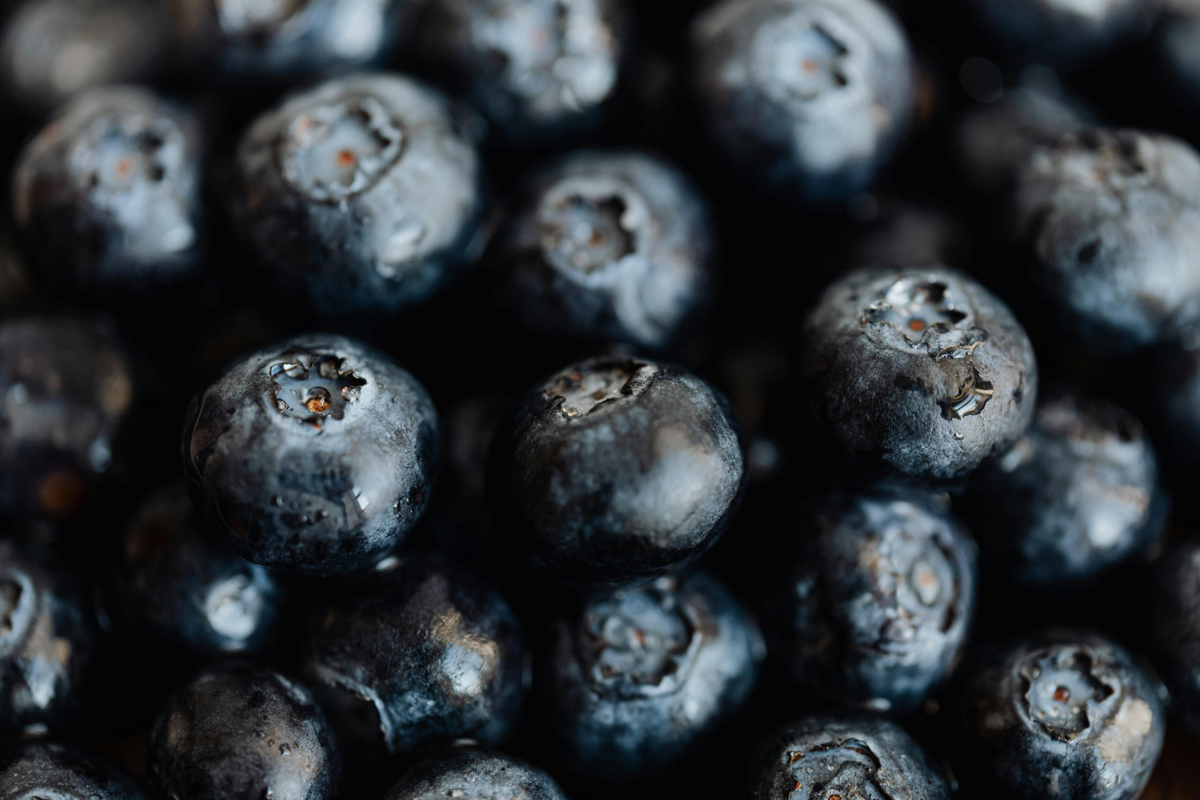
Blueberry flavors range from mildly sweet to tart, and their colors span pale blue to maroon to near-black purple. Most cultivars display a white-gray waxy “bloom” on the surface, a natural epicuticular wax layer that reduces moisture loss and provides some protection against UV radiation and fungal colonization. Beneath the skin, semi-transparent flesh encases tiny seeds.
All blueberries belong to the Ericaceae family and the Vaccinium genus. Cranberries, bilberries, huckleberries, and lingonberries share this family.
Within Vaccinium, three traditional groups exist: highbush, lowbush, and rabbiteye. Lowbush plants top out at two feet or less; highbush cultivars reach eight to nine feet. The more consequential distinction is wild versus cultivated status. Grocery store berries are almost always highbush. Lowbush berries grow wild, and even “cultivated” lowbush operations involve managing wild stands through selective propagation of underground rhizomes rather than direct planting.
Northern highbush cultivars (Vaccinium corymbosum) require accumulated “chill hours” below a temperature threshold to break dormancy, making them suited to the mid-Atlantic, Northeast, and Washington State. Southern highbush types, typically crosses of V. corymbosum and V. darrowii, need fewer chill hours and grow well in Florida, the Gulf Coast, and the Pacific Northwest through Oregon. Rabbiteye berries (Vaccinium virgatum, also called V. ashei) are less widely planted but native to the southeastern U.S. Northern highbush cultivars dominate global commercial production.
Phytonutrient concentrations vary considerably across cultivars. Total flavonoid content, anthocyanin ratios (the balance of peonidin, malvidin, cyanidin, and others), and flavonol levels (quercetin, myricetin) all shift depending on variety, growing conditions, and ripeness at harvest. No single cultivar guarantees a fixed intake of any one compound. The practical conclusion: eating across varieties and seasons captures a broader spectrum of bioactive molecules than selecting any single cultivar.
Popular northern highbush cultivars include Berkeley, Bluecrop, Bluehaven, Blueray, Jersey, and Patriot. Southern highbush options include Biloxi, Gulf Coast, Misty, O’Neal, and Sunshine Blue. Rabbiteye cultivars include Bonita and Climax.
History
More Vaccinium species are native to North America than to any other continent. The genus has since naturalized across Europe, Australia, New Zealand, and temperate Asia, with commercial cultivation extending into South America (Argentina, Chile) and Northern Africa (Morocco).
Hybridization has been the defining feature of modern blueberry agriculture. “High chill” highbush cultivars require cold-winter dormancy and grow from Scandinavia to southern Patagonia. “No chill” hybrids bypass dormancy entirely, opening production in tropical and subtropical regions: Indonesia, Southeast Asia, Mexico, Peru. The cumulative effect is a global supply chain that delivers fresh berries to U.S. markets nearly year-round.
Michigan, Washington, Georgia, and Oregon lead domestic highbush production. Roughly 60% of their harvest sells as fresh fruit; the remaining 40% goes to processing (juices, jams, dried cereal additions). Maine dominates wild lowbush production. Collectively, more than a dozen states produce over 550 million pounds annually. Despite this output, the majority of berries consumed in the U.S. arrive as imports, primarily from Chile and Canada.
On a worldwide basis, the U.S. plants more blueberry acreage and produces more total volume than any other country. Global production is approximately 1.5 billion pounds per year. After the U.S., the leading producers are Chile, Canada, China, Spain, Poland, Argentina, Germany, Mexico, and Morocco.
How to select and store
Look for firm berries with a uniform hue and visible whitish bloom. Shake the container: berries that roll freely are likely intact, while clumped or immobile fruit may be soft, damaged, or beginning to mold. Dull color and watery texture are signs of overripeness. Surface moisture accelerates decay, so select dry containers. For frozen bags, shake gently; clumped berries suggest a thaw-refreeze cycle that degrades texture and accelerates anthocyanin loss. Domestically grown berries are available from May through October; imports extend availability through the winter months.
Certified organic berries reduce pesticide and heavy metal exposure. Some local growers follow organic practices without formal USDA or state certification (California, New York, Oregon, Vermont, and Washington all offer state-level organic programs). At a conventional supermarket, the USDA organic logo is the most reliable indicator.
Before storing, remove any crushed or moldy berries to slow spoilage in the rest. Do not wash until just before eating; washing strips the epicuticular wax bloom that protects the skin. Refrigerated in a covered container, fresh berries keep for about 3 days. At room temperature, spoilage can begin within a day.
Refrigeration slows the degradation of heat-sensitive compounds. Vitamin C and carotenoids are particularly susceptible to thermal loss; cold storage extends their retention.
To freeze, wash and drain the berries, discard damaged fruit, then spread them in a single layer on a baking sheet. Once solid, transfer to a sealed bag or container. Expect minor changes in texture and flavor.
Freezing preserves total phenolic capacity but shifts the anthocyanin profile. After six months at 0 degrees F (-18 degrees C), total antioxidant potential remained unchanged in one study, yet total anthocyanin content dropped by roughly 59%. Pelargonidin survived nearly intact. Delphinidin did not. The likely mechanism: degraded anthocyanins reacted with other phenolic molecules to form new complexes, or oxidized directly. Frozen berries remain a sound nutritional option when fresh fruit is unavailable, but fresh berries retain specific anthocyanins, particularly delphinidin, that freezing degrades.
Tips for preparing and cooking
Tips for preparing blueberries
Fresh berries bruise easily. Wash briefly, pat dry gently, and only rinse just before eating to preserve the protective wax bloom. Berries from a known organic or wild source may not need washing at all.
For uncooked recipes, thaw frozen berries fully and drain excess liquid before adding.
Blueberries deliver the most nutritional value raw. Vitamin C, anthocyanins, and endogenous enzymes degrade at baking temperatures (350 degrees F / 175 degrees C and above). Heat does not eliminate all benefit, but it diminishes the concentration of the most thermally sensitive compounds.
How to enjoy
A few quick serving ideas
- Add frozen berries to a breakfast smoothie. If using a plastic blender jar, let the fruit soften for a few minutes first to avoid damaging the container.
- Scatter fresh or dried berries over cold cereal for color and a tart counterpoint to grain flavors.
- Layer yogurt and fresh berries in glasses, then top with crystallized ginger for a simple dessert.
Recipes that feature blueberries
- Granola with Fresh Fruit
- Healthy High Fiber Cereal
- Quinoa Cereal with Fresh Fruit
- Yogurt with Fruit
- Blueberries with Cashew Sauce
- Blueberries with Yogurt and Chocolate
- Blueberry Parfait
- Blueberry Peach Crisp
- Blueberry Trifle
- Fresh Peaches with Blueberries & Yogurt
Nutritional profile
Blueberries contain stilbenoids (pterostilbene, resveratrol), flavonols (quercetin, myricetin, kaempferol), and a suite of anthocyanin pigments: cyanidin, malvidin, delphinidin, pelargonidin, peonidin, and petunidin.
One cup (148g) provides 32% DV of vitamin K, 22% DV of manganese, and 19% DV of vitamin C. It also supplies 13% DV of fiber and 9% DV of copper, at a caloric cost of 84 calories.
Recommendations
A practical daily target is 5-10 combined servings of fruits and vegetables. The ratio between the two can shift day to day based on individual health needs, seasonal availability, and how foods fit together in meals.
The CDC recommends 1.5-2.5 cups of fruit and 2.5-4.0 cups of vegetables per day, with at least 5 combined servings as a baseline. Epidemiological evidence suggests that closer to 3 cups of fruit per day may be needed for measurable health outcomes.
Including berries 3-4 times per week is a reasonable minimum; daily consumption is well supported by available evidence. One cup of small lowbush (“wild”) berries, each weighing 1-2 grams, contains roughly 100-150 individual fruits.
Blueberries, fresh
1.00 cup
(148.00 grams)
Calories: 84
GI: low
NutrientDRI/DV
vitamin K32%
manganese25%
vitamin C19%
fiber14%
copper9%
- Health Benefits
- Description
- History
- How to Select and Store
- Tips for Preparing and Cooking
- How to Enjoy
- Nutritional Profile
- References
Individual concerns
Blueberries and oxalates
“Can you tell me what oxalates are and in which foods they can be found?”
Blueberries and pesticide residues
Pesticide residues are present in most of the U.S. food supply at trace levels. Even at low concentrations, chronic exposure can impair hepatic detoxification pathways, mitochondrial energy production, and neural signal transmission. The Environmental Working Group’s 2014 “Shopper’s Guide to Pesticides” listed domestically grown blueberries among the 12 produce items with the most frequently detected residues.
Choosing organic reduces this exposure and may also affect the berries’ phenolic content. One comparative study of organic versus conventional highbush cultivars (Vaccinium corymbosum L., var. Bluecrop) found that organically grown berries had significantly higher total phenol concentrations, higher total anthocyanin levels (including delphinidins, malvidins, and petunidins), and greater overall antioxidant capacity. Quercetin concentrations were also elevated in the organic samples.
A high-performance blender like the Vitamix A3500 Ascent Blender fully breaks down seeds, stems, and frozen fruit for smooth, nutrient-dense smoothies.
Recipes with Blueberries
- Granola with Fresh Fruit
- Quinoa Breakfast Bowl
- Yogurt with Fruit
- Blueberries with Cashew Sauce
- 5- Minute Blueberries with Yogurt
- Blueberry Parfait
- Blueberry Peach Crisp
- Blueberry Trifle
- Fresh Peaches with Blueberries & Yogurt
- Mediterranean Dressing
- Asian Sautéed Cauliflower
- 7-Minute "Quick Steamed" Butternut Squash
- 5-Minute "Quick Steamed" Brussels Sprouts
- 3-Minute "Healthy Sautéed" Green Peas
- Berries with Chocolate Sauce
Full Nutrient Profile
Related Articles
References
- Adams LS, Phung S, Yee N et al. Blueberry Phytochemicals Inhibit Growth and Metastatic Potential of MDA-MB-231 Breast Cancer Cells Through Modulation of the Phosphatidylinositol 3-Kinase Pathway. Cancer Res. 2010 May 1; 70(9): 3594-3605. Published online 2010 April 13. doi: 10.1158/0008-5472.CAN-09-3565. 2010. https://doi.org/10.1158/0008-5472.CAN-09-3565
- Ahmet I, Spangler E, Shukitt-Hale B et al. Blueberry-Enriched Diet Protects Rat Heart from Ischemic Damage. PLoS ONE. 2009; 4(6): e5954. Published online 2009 June 18. doi: 10.1371/journal.pone.0005954. 2009. https://doi.org/10.1371/journal.pone.0005954
- Basu A, Du M, Leyva MJ et al. Blueberries Decrease Cardiovascular Risk Factors in Obese Men and Women with Metabolic Syndrome. The Journal of Nutrition. Bethesda: Sep 2010. Vol. 140, Iss. 9; p. 1582-1587. 2010. https://doi.org/10.3945/jn.110.124701
- Basu A, Rhone M and Lyons TJ. Berries: emerging impact on cardiovascular health. Nutr Rev. 2010 Mar;68(3):168-77. Review. 2010. https://doi.org/10.1111/j.1753-4887.2010.00273.x
- Boespflug EL, Eliassen JC, Dudley JA, et al. Enhanced neural activation with blueberry supplementation in mild cognitive impairment. Nutr Neurosci. 2017 Feb 21:1-9. https://doi.org/10.1080/1028415x.2017.1287833
- DeFuria J, Bennett G, Strissel KJ et al. Dietary . Dietary Blueberry Attenuates Whole-Body Insulin Resistance in High Fat-Fed Mice by Reducing Adipocyte Death and Its Inflammatory Sequelae. J Nutr. 2009 August; 139(8): 1510-1516. doi: 10.3945/jn.109.105155. 2009. https://doi.org/10.3945/jn.109.105155
- Grace MH, Ribnicky DM, Kuhn P et al. Hypoglycemic activity of a novel Anthocyanin-rich formulation from Lowbush Blueberry, Vaccinium angustifolium. Phytomedicine. 2009 May; 16(5): 406-415. 2009. https://doi.org/10.1016/j.phymed.2009.02.018
- Hurst RD, Wells RW, Hurst SM et al. Blueberry fruit polyphenolics suppress oxidative stress-induced skeletal muscle cell damage in vitro. Mol Nutr Food Res. 2010 Mar;54(3):353-63. 2010. https://doi.org/10.1002/mnfr.200900094
- Ivey KL, Jensen MK, Hodgson JM, et al. Association of flavonoid-rich foods and flavonoids with risk of all-cause mortality. Br J Nutr. 2017 May;117(10):1470-1477. https://doi.org/10.1017/s0007114517001325
- Jenkins DJA, Ssrichaikul K, Kendall CWC et al. The relation of low glycaemic index fruit consumption to glycaemic control and risk factors for coronary heart disease in type 2 diabetes. Diabetologia. 2011 February; 54(2): 271-279. 2011. https://doi.org/10.1007/s00125-010-1927-1
- Johnson SA, Figueroa A, Navaei N, et al.Daily Blueberry Consumption Improves Blood Pressure and Arterial Stiffness in Postmenopausal Women with Pre- and Stage 1-Hypertension: A Randomized, Double-Blind, Placebo-Controlled Clinical Trial. Journal of the Academy of Nutrition and Dietetics, Volume 115, Issue 3, March 2015, pages 369-377.
- Kosuru R, Rai U, Prakash S, et al. Promising therapeutic potential of pterostilbene and its mechanistic insight based on preclinical evidence. European Journal of Pharmacology, Volume 789, 15 October 2016, pages 229-243. https://doi.org/10.1016/j.ejphar.2016.07.046
- Krikorian R, Shidler MD, Nash TA et al. Blueberry Supplementation Improves Memory in Older Adults. J Agric Food Chem. 2010 April 14; 58(7): 3996-4000. 2010. https://doi.org/10.1021/jf9029332
- Kursvietiene L, Staneviciene I, Mongirdiene A, et al. Multiplicity of effects and health benefits of resveratrol. Medicina, Volume 52, Issue 3, 2016, pages 148-155. https://doi.org/10.1016/j.medici.2016.03.003
- Li D, Li B, Ma Y, et al. Polyphenols, anthocyanins, and flavonoids contents and the antioxidant capacity of various cultivars of highbush and half-high blueberries. Journal of Food Composition and Analysis, Volume 62, September 2017, pages 84-93. https://doi.org/10.1016/j.jfca.2017.03.006
- Lohachoompol V, Srzednicki G, and Craske J. The Change of Total Anthocyanins in Blueberries and Their Antioxidant Effect After Drying and Freezing. J Biomed Biotechnol. 2004 December 1; 2004(5): 248-252. 2004. https://doi.org/10.1155/s1110724304406123
- Miller MG, Hamilton DA, Joseph JA, et al. Dietary blueberry improves cognition among older adults in a randomized, double-blind, placebo-controlled trial. Eur J Nutr. 2017 Mar 10. doi: 10.1007/s00394-017-1400-8. [Epub ahead of print]. https://doi.org/10.1007/s00394-017-1400-8
- Mizuno CS and Rimando AM. Blueberries and Metabolic Syndrome. Silpakorn University Science and Technology Journal Year: 2009 Vol: 3 Issue: 2 Pages/record No.: 7-17. 2009. https://doi.org/10.14456/sustj.2009.5
- Norberto S, Silva S, Meireles M, et al. Blueberry anthocyanins in health promotion: A metabolic overview. Journal of Functional Foods, Volume 5, Issue 4, October 2013, pages 1518-1528. https://doi.org/10.1016/j.jff.2013.08.015
- Overall J, Bonney SA, Wilson M, et al. Metabolic Effects of Berries with Structurally Diverse Anthocyanins. Int J Mol Sci. 2017 Feb 15;18(2). pii: E422. doi: 10.3390/ijms18020422. https://doi.org/10.3390/ijms18020422
- Paul S, DeCastro AJ, Lee HJ et al. Dietary intake of pterostilbene, a constituent of blueberries, inhibits the beta-catenin/p65 downstream signaling pathway and colon carcinogenesis in rats. Carcinogenesis. 2010 Jul;31(7):1272-8. Epub 2010 Jan 8. 2010. https://doi.org/10.18632/oncotarget.4877
- Paul S, Rimando AM, Lee HJ et al. Anti-inflammatory action of pterostilbene is mediated through the p38 MAPK pathway in colon cancer cells. Cancer Prev Res (Phila). 2009 July; 2(7): 650-657. Published online 2009 June 23. doi: 10.1158/1940-6207.CAPR-08-0224. 2009. https://doi.org/10.1158/1940-6207.CAPR-08-0224
- Poulose SM, Rabin BM, Bielinski DF, et al. Neurochemical differences in learning and memory paradigms among rats supplemented with anthocyanin-rich blueberry diets and exposed to acute doses of 56Fe particles. Life Sciences in Space Research, Volume 12, February 2017, pages 16-23. https://doi.org/10.1016/j.lssr.2016.12.002
- Reque PM, Steffens RS, Jablonski A, et al. Cold storage of blueberry (Vaccinium spp.) fruits and juice: Anthocyanin stability and antioxidant activity. Journal of Food Composition and Analysis, Volume 33, Issue 1, February 2014, pages 111-116. https://doi.org/10.1016/j.jfca.2013.11.007
- Sablani SS, Andrews PK, Davies NM et al. Effect of thermal treatments on phytochemicals in conventionally and organically grown berries. J Sci Food Agric. 2010 Apr 15;90(5):769-78. 2010. https://doi.org/10.1002/jsfa.3882
- Scibisz I and Mitek M. The changes of antioxidant properties in highbush blueberries (Vaccinium corymbosum L.) during freezing and long-term frozen storage. Acta Scientiarum Polonorum : Technologia Alimentaria Year: 2007 Vol: 6 Issue: 4 Pages/record No.: 75-81. 2007.
- Simmen FA, Frank JA, Wu X et al. Lack of efficacy of blueberry in nutritional prevention of azoxymethane-initiated cancers of rat small intestine and colon. BMC Gastroenterol. 2009; 9: 67. Published online 2009 September 16. doi: 10.1186/1471-230X-9-67. 2009. https://doi.org/10.1186/1471-230X-9-67
- Still AJ, Cash KC, Johnson WD et al. Bioactives in Blueberries Improve Insulin Sensitivity in Obese, Insulin-Resistant Men and Women. The Journal of Nutrition. Bethesda: Oct 2010. Vol. 140, Iss. 10; p. 1764-1768. 2010. https://doi.org/10.3945/jn.110.125336
- Stoner GD, Want LS, Seguin C et al. Multiple Berry Types Prevent N-nitrosomethylbenzylamine-Induced Esophageal Cancer in Rats. Pharm Res. 2010 June; 27(6): 1138-1145. 2010. https://doi.org/10.1007/s11095-010-0102-1
- Stull AJ. Blueberries' Impact on Insulin Resistance and Glucose Intolerance. Antioxidants (Basel). 2016 Nov 29;5(4). pii: E44. https://doi.org/10.3390/antiox5040044
- Tedeschi SK, Frits M, Cui J, et al. Diet and Rheumatoid Arthritis Symptoms: Survey Results From a Rheumatoid Arthritis Registry. Arthritis Care Res (Hoboken). 2017 Feb 19. doi: 10.1002/acr.23225. [Epub ahead of print]. https://doi.org/10.1002/acr.23225
- Wang H, Guo X, Hu X, et al. Comparison of phytochemical profiles, antioxidant and cellular antioxidant activities of different varieties of blueberry (Vaccinium spp.) Food Chemistry, Volume 217, 15 February 2017, pages 773-781. https://doi.org/10.1016/j.foodchem.2016.09.002
- Wang SY, Chen CT, Sciarappa W et al. Fruit quality, antioxidant capacity, and flavonoid content of organically and conventionally grown blueberries. J Agric Food Chem. 2008 Jul 23;56(14):5788-94. Epub 2008 Jul 1. 2008.
- Wu X, Kang J, Xie C et al. Dietary Blueberries Attenuate Atherosclerosis in Apolipoprotein E-Deficient Mice by Upregulating Antioxidant Enzyme Expression. J. Nutr. September 1, 2010 vol. 140 no. 9 1628-1632. 2010. https://doi.org/10.3389/fphar.2020.01300
- Mannal P, McDonald D and McFadden D. Pterostilbene and tamoxifen show an additive effect against breast cancer in vitro. Am J Surg. 2010 Nov;200(5):577-80. 2010. https://doi.org/10.1016/j.amjsurg.2010.07.022
- Vuong T, Matar C, Ramassamy C et al. Biotransformed blueberry juice protects neurons from hydrogen peroxide-induced oxidative stress and mitogen-activated protein kinase pathway alterations. Br J Nutr. 2010 Sep;104(5):656-63. Epub 2010 May 12. 2010. https://doi.org/10.1017/s0007114510001170
- Basu A, Du M, Leyva MJ et al. Blueberries Decrease Cardiovascular Risk Factors in Obese Men and Women with Metabolic Syndrome. . The Journal of Nutrition. Bethesda: Sep 2010. Vol. 140, Iss. 9; p. 1582-1587. 2010. https://doi.org/10.3945/jn.110.124701
- Basu A, Rhone M and Lyons TJ. . Berries: emerging impact on cardiovascular health. Nutr Rev. 2010 Mar;68(3):168-77. Review. 2010.